The higher education construction sector is undergoing a profound transformation. It’s no longer just about erecting functional buildings, but about assembling a complex puzzle where energy efficiency, student well-being, and civic responsibility must seamlessly intertwine. In the current context, institutions of higher education not only teach sustainability but must also demonstrate it through their infrastructure.
1. The Campus as a “Living Lab.”
A sustainable university is more than just a set of thermally insulated walls. The Living Lab concept transforms buildings into learning instruments.
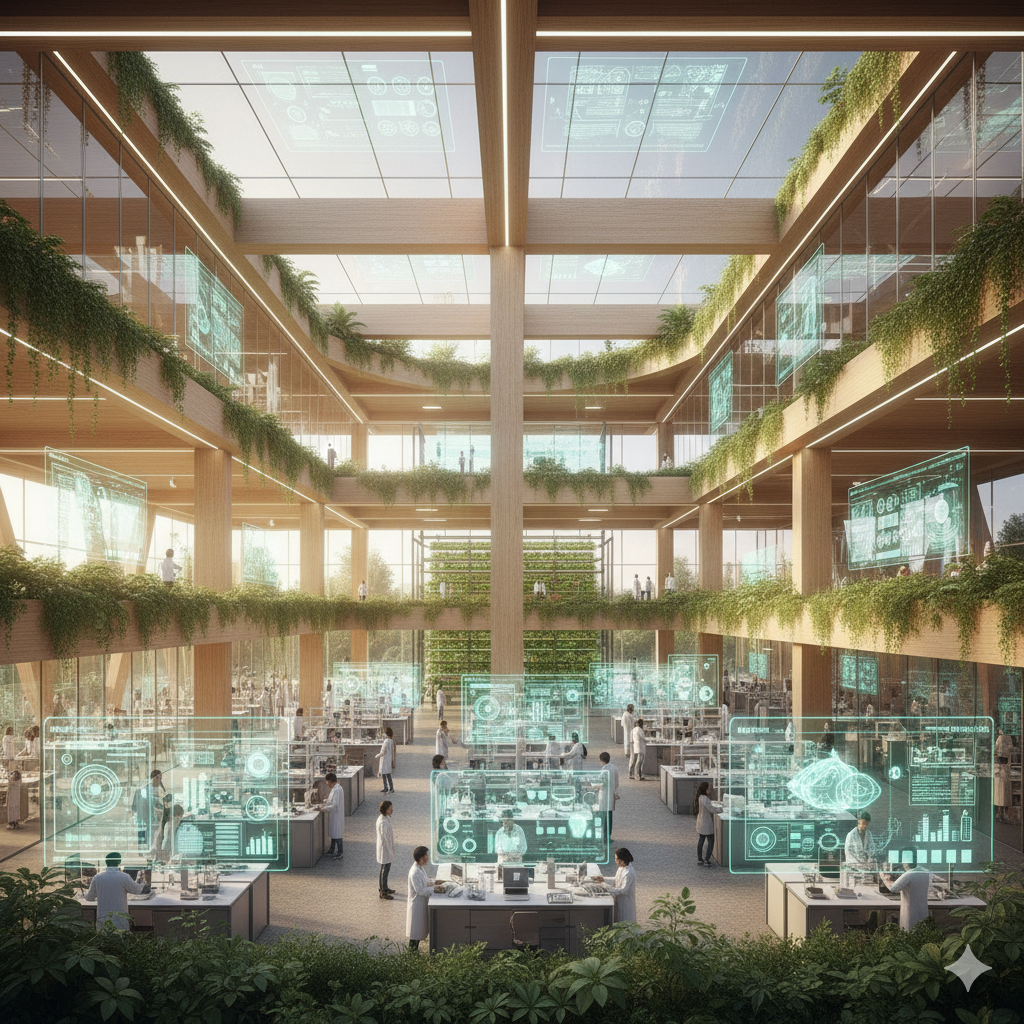
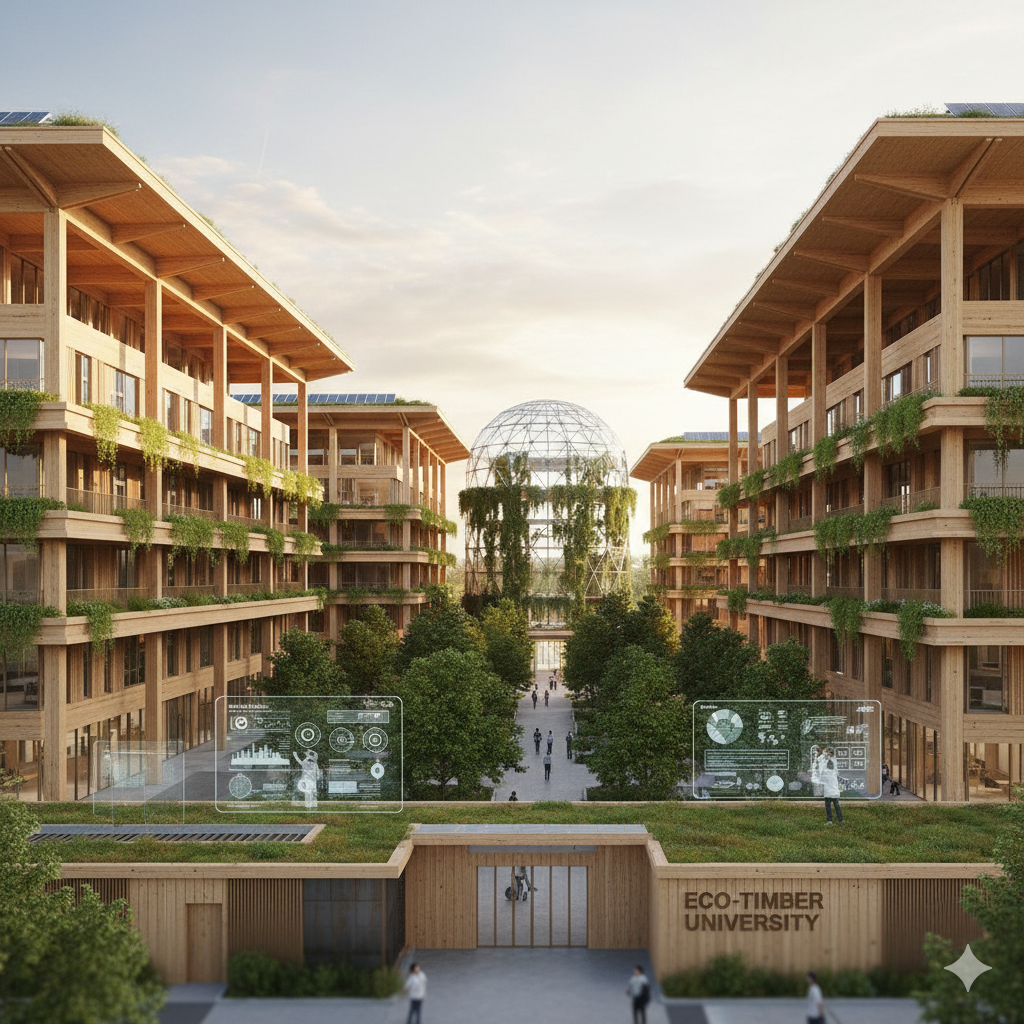
Monitored Systems: Sensors allow engineering students to analyze energy consumption in real-time.
Urban Biodiversity: Green roofs serve as research spaces for biology faculties.
2. Energy Efficiency and Carbon Footprint
The central piece of this puzzle is achieving Net Zero standards. This involves an integrated approach:
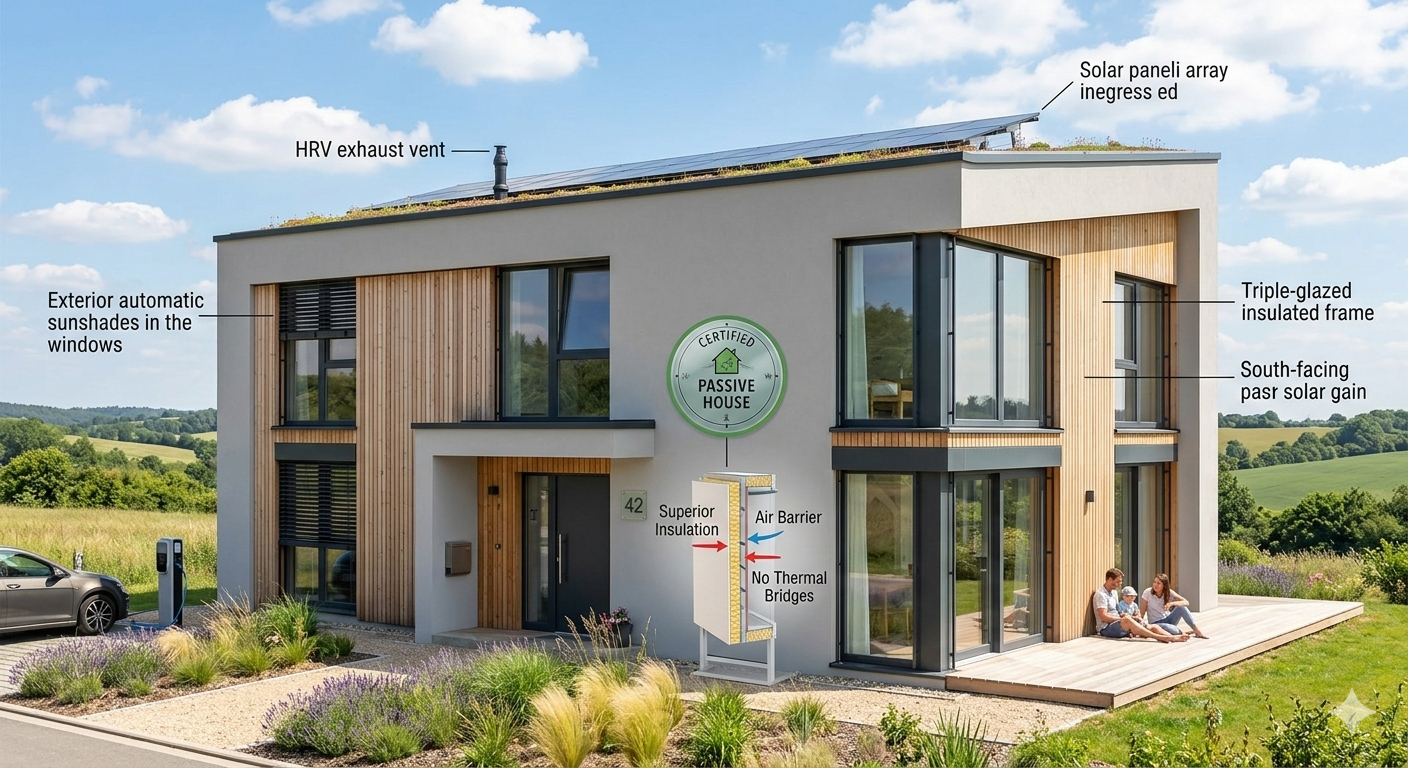
Bioclimatic Design: Orienting buildings to maximize natural light and passive ventilation.
Low-Embodied Carbon Materials: Using cross-laminated timber (CLT) or recycled concrete to reduce embodied carbon.
Renewable Sources: Integrating photovoltaic panels and geothermal heat pumps directly into the campus structure.
3. Social Impact: Beyond “Green”
Sustainability in educational construction also means human sustainability. A space that does not prioritize the mental health of students is an incomplete project.
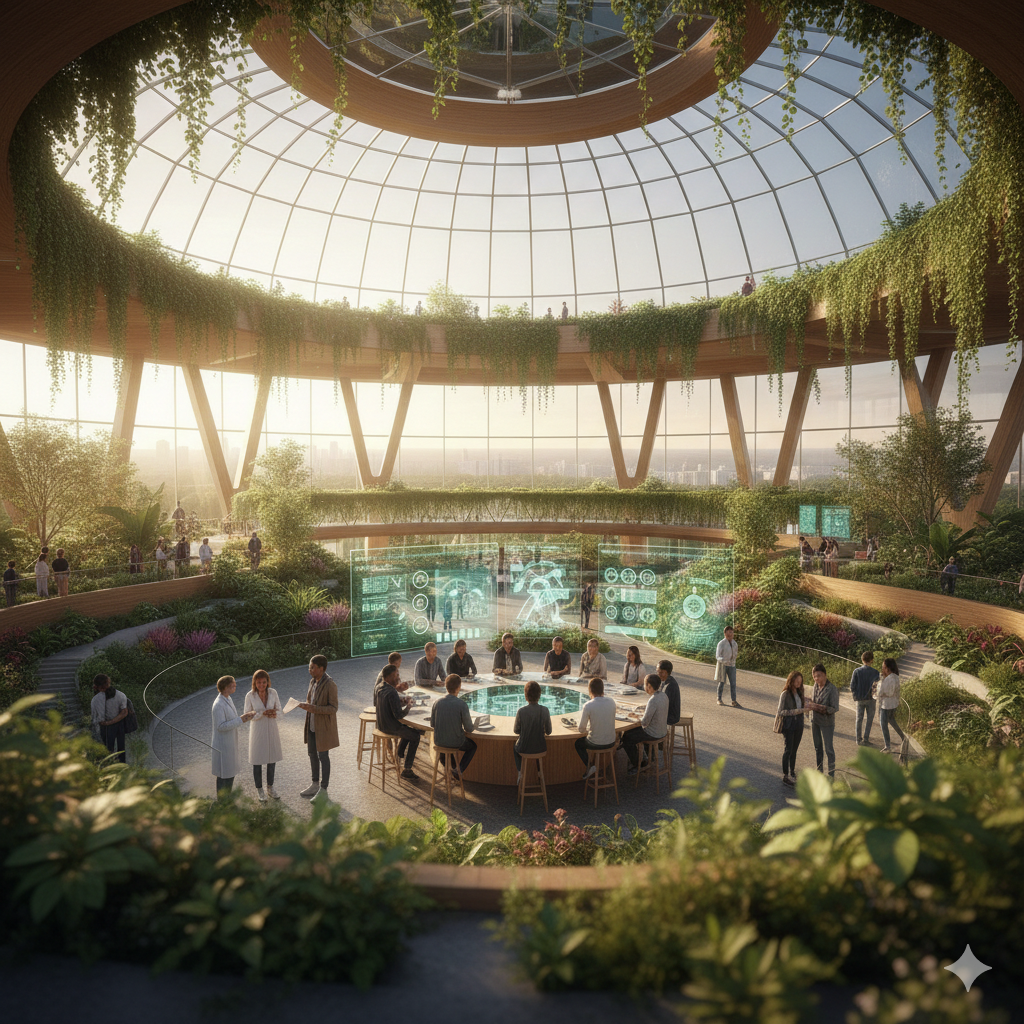
Biophilic Design: Introducing natural elements indoors to reduce stress and increase concentration.
Space Flexibility: Modular buildings that can be adapted to future needs, thereby avoiding premature demolitions and resource waste.
4. Implementation Challenges: Budget vs. Vision
The most difficult piece of the puzzle often remains funding. While the initial costs for a “green” building can be 5-10% higher, the long-term benefits are undeniable:
Reduced Operational Costs: Massive savings on utility bills over 30-50 years.
Talent Attraction: Generation Z and Alpha choose universities that resonate with their ecological values.
ESG Ratings: Facilitating access to green grants and financing.
Conclusion
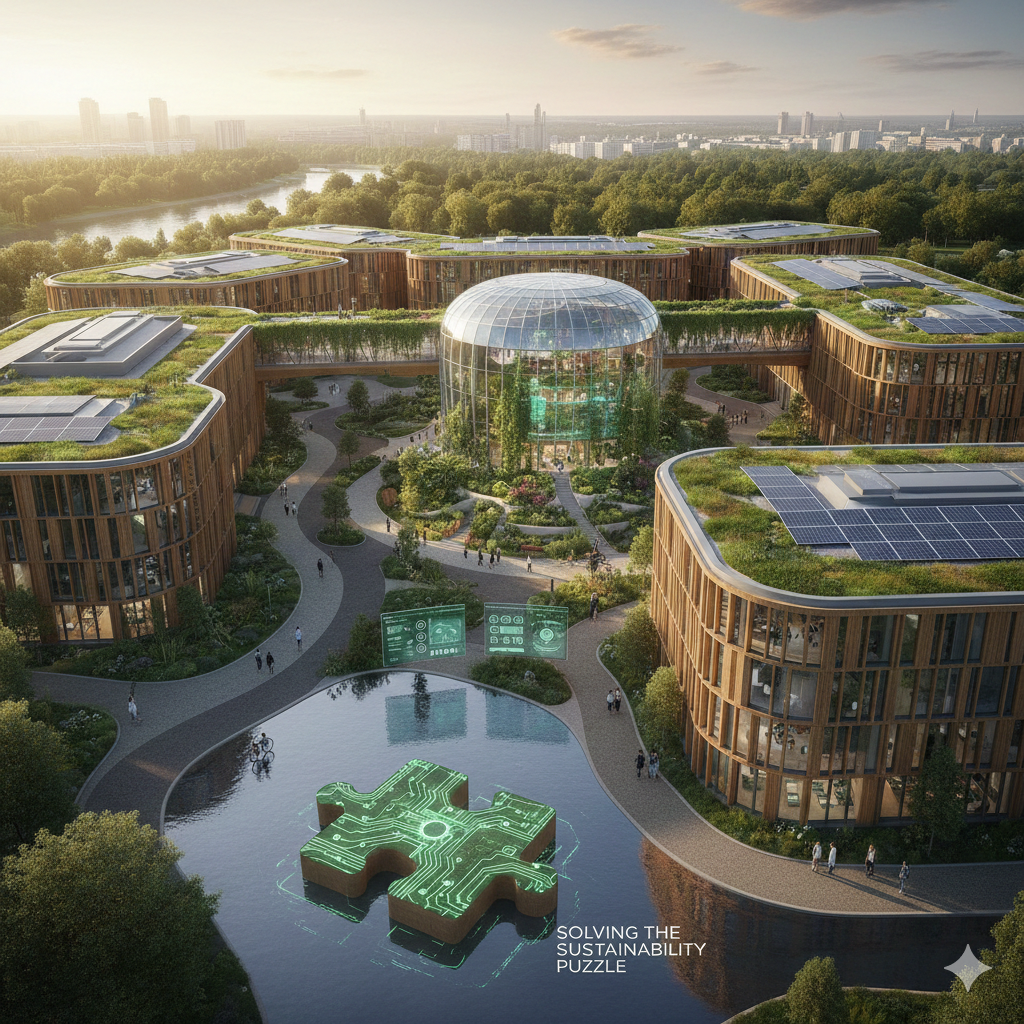
Solving the puzzle of sustainability in higher education requires a paradigm shift: the building is not a cost, but an investment in the future of education. By adopting smart technologies and eco-sustainable materials, universities become true beacons of innovation for their communities.
“Sustainable construction is not about doing less harm; it’s about doing more good.”
Universities that understand this are not just building structures; they are shaping the generations who will inhabit a sustainable world.