
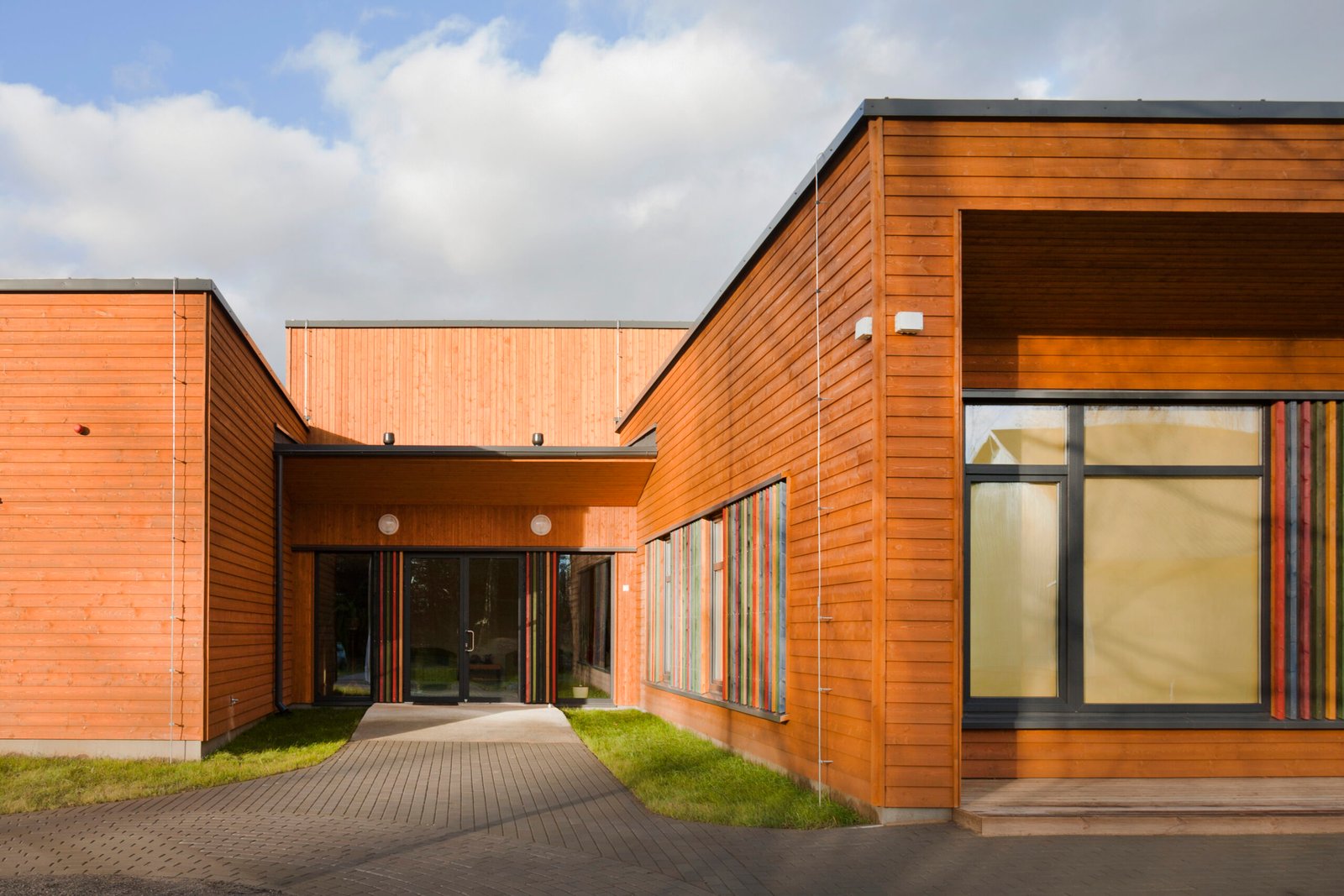
The construction industry, one of the most conservative in the world, is undergoing its most profound transformation in the last century. This shift is driven not only by new materials or construction techniques but by the convergence of digitalization, sustainability, and systemic design.
Today, we are no longer just talking about buildings. We are discussing livable ecosystems where housing, energy, and food production are integrated into a single intelligent system.
Digital Design and the Rise of CLT Construction
In the digital age, construction begins long before the first excavator reaches the site. Building Information Modeling (BIM) platforms allow developers to create ‘digital twins’ of buildings—comprehensive models that simulate a home’s structural, energy, and operational performance before it is even built.
At the heart of this revolution lies Cross Laminated Timber (CLT). CLT transforms wood into a high-performance structural material comparable to concrete or steel, but with a significantly lower carbon footprint.
Innovative companies like Pasidera utilize CLT not only for its ecological advantages but also for its compatibility with digital manufacturing. Panels are fabricated with millimeter precision using CNC machinery, reducing human error and accelerating construction.
The result is a new model of construction: sustainable homes, industrially produced with the precision of software.
From Houses to Energy Systems In this new living model, the home is no longer just a shelter, but an intelligent energy unit. The integration of photovoltaic panels, storage systems, and digital energy management platforms transforms the residence into an active node within a distributed energy grid. Homeowners can monitor and optimize energy consumption in real-time using intuitive mobile applications. Heating, lighting, and energy storage become integrated components of a digital living ecosystem. In this context, the concept of zero-energy homes is becoming increasingly accessible.
The Future: Hybrid Systems of Nature and Technology The transformation of the construction industry is not merely technological. It is conceptual. The future belongs to hybrid systems that combine:Natural materials such as woodAdvanced engineering, like CLT and passive designDigital intelligence through IoT and AIThese systems do not replace nature with technology; they use technology to work in harmony with it. In this new model, homes are no longer just buildings. They become platforms for sustainable living. For companies like Pasidera, this transformation represents more than just a technological shift. It is a paradigm shift. Because, ultimately, the future of construction is not just about how we build. It is about how we choose to live
Market Dynamics: Why Sustainable Construction Is Accelerating. The transformation of the construction industry is not just a technological trend, but an economic one as well. The global sustainable construction market is estimated to exceed $600 billion over the next decade, driven by pressures to reduce carbon emissions and the increasing demand for energy-efficient housing.
In Europe, the construction sector is responsible for nearly 40% of total energy consumption and approximately 36% of CO₂ emissions. These figures have prompted the European Union to accelerate the adoption of nearly Zero-Energy Building (nZEB) standards and low-carbon construction materials.
In this context, Cross Laminated Timber (CLT) is emerging as one of the most promising solutions. Mass timber construction can significantly reduce carbon emissions and execution time while providing structural performance comparable to concrete and steel.
As urbanization continues and climate pressures rise, companies that combine natural materials, digitalization, and renewable energy will define the next generation of real estate developers.
Conclusion: The Rise of Living Infrastructure. The future of construction is no longer about erecting static structures. It is about creating living infrastructure.
Homes are becoming energy nodes. Greenhouses are evolving into intelligent food systems. And communities are transforming into self-sufficient ecosystems.
In this new model, success will not belong to the companies that build the most, but to those that build the smartest. Natural materials like wood, digital technologies, and renewable energy are not separate trends. They are the core components of a new living system.
For companies like Pasidera, this shift represents an opportunity to redefine how homes are designed, built, and integrated into the natural environment.
Because the future doesn't just belong to buildings. It belongs to ecosystems where people can live sustainably, independently, and in harmony with nature.
The future is built with technology.But it always begins with a vision.
The future of construction will not be defined by concrete and steel, but by how we combine nature, technology, and digital intelligence. Homes will no longer be simple buildings.
They will become living ecosystems, energy producers, connected to nature, and capable of supporting a healthier life. Companies like Pasidera demonstrate that this transformation is not a distant vision, but a reality that is already taking shape. Because the future is not built with materials alone. It is built with vision. And, sometimes, with soul.
Pasidera — We build with soul. We build with love


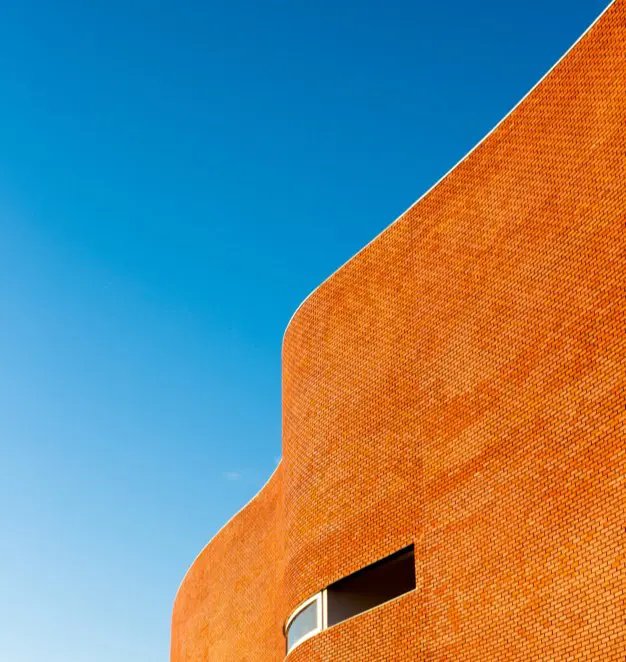
It has a much better R-value for insulation than the previous exterior wall – and it looks beautiful.